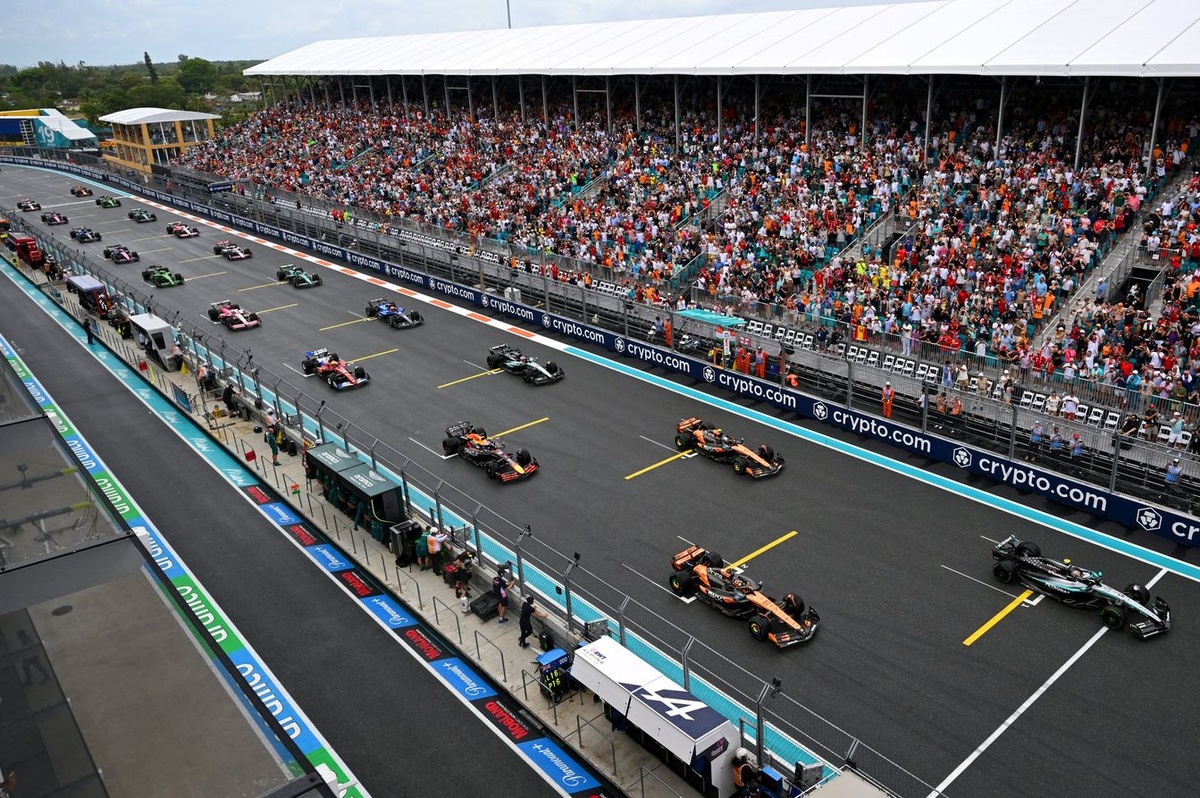
Formula 1 is actively considering significant changes to its race format, with plans to introduce a total of 12 sprint races beginning in 2027. This initiative aims to enhance the excitement and competitiveness of the sport, appealing to a broader global audience.
Stefano Domenicali, the CEO of Formula 1, has been discussing potential new race locations, including Turkey, various Asian countries, and African nations. These locations are seen as strategic choices to expand F1's reach and fan base across different continents.
The proposed format changes are part of F1's broader strategy to innovate and keep the sport dynamic. The addition of sprint races, which are shorter, high-intensity events held on Saturdays, has already been tested in recent seasons and has received mixed reactions from fans and teams alike.
Under the current plans, the sprint races will be integrated into the race weekends, offering points to drivers and teams, and potentially influencing the championship standings more significantly. The goal is to increase the spectacle and provide more opportunities for drivers to showcase their skills.
Discussions around the new format also include considerations for race weekend structures, qualifying procedures, and how to balance traditional Grand Prix elements with the new sprint format. F1 officials are keen to ensure that these changes enhance the sport without compromising its core values.
Moreover, the move to include more diverse locations aligns with F1's vision to globalize the sport further. By exploring venues in Turkey, Asia, and Africa, the organizers hope to tap into new markets and attract a wider audience, both in-person and through broadcasting.
While the plans are still in the discussion phase, the potential implementation of 12 sprint races from 2027 marks a significant shift in Formula 1's approach to race weekends. Fans, teams, and stakeholders are closely watching how these changes will unfold and impact the future of the sport.
Overall, F1's efforts to innovate its format reflect its commitment to maintaining excitement and relevance in a rapidly evolving sporting landscape. The upcoming years will be crucial in determining how these proposed changes are finalized and executed.